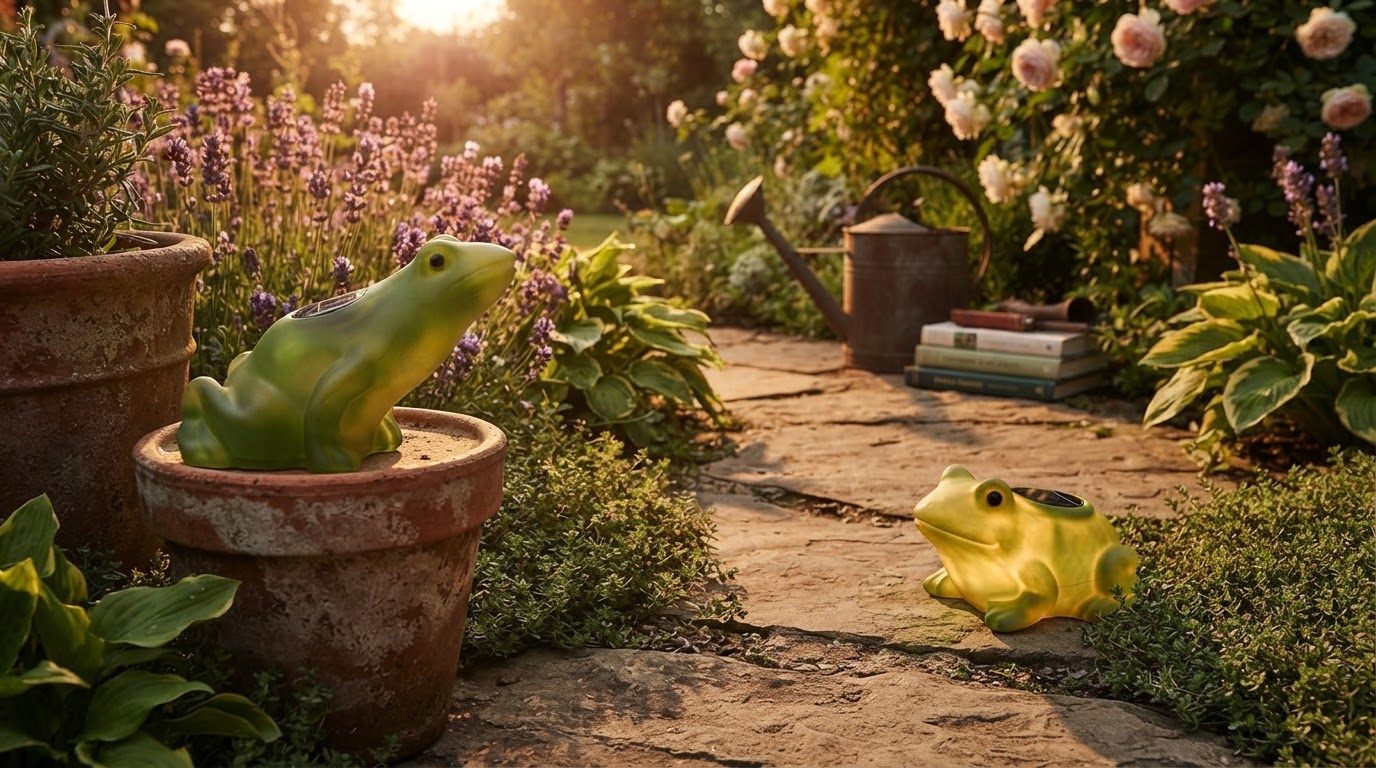
Solar Frog Lights: Evaluating Outdoor Illumination Performance
 Maya ChenContributing Editor
October 19, 2026. This technical evaluation examines the intersection of decorative statuary and photovoltaic efficiency within the specific category of solar frog lights. It is intended for homeowners seeking to balance aesthetic garden whimsy with functional illumination standards.
The Decorative Lighting Efficiency Gap
The conventional wisdom says that garden lighting must prioritize lumens and coverage above all else. However, the market for solar frog lights operates on a different set of metrics where form often dictates the limits of function. Most consumers view these items as simple trinkets, but according to Nature's Solar Lights, the integration of solar technology into animal-shaped figurines, such as frogs and turtles, has moved from a novelty to a legitimate category of outdoor utility. Despite this, the industry faces a persistent efficiency gap. Standard outdoor solar lights often utilize wide-angle LEDs, whereas solar frog lights typically rely on point-source illumination, such as glowing eyes or internal lanterns, which inherently limits their photometric spread.
Here's the part nobody talks about: the trade-off between the complexity of the resin sculpture and the surface area available for the polycrystalline solar panel. When analyzing frog garden decor solar powered, the design priority is frequently the texture of the "skin" or the posture of the amphibian rather than optimal panel tilt. A standard solar figurine, like those found on eBay, often features a textured surface that, while visually appealing, can create micro-shadows across the photovoltaic cells if the light angle is not perfectly perpendicular. This reduces the conversion rate of sunlight into stored energy, leading to shorter run times than traditional path lights. Furthermore, while these units are marketed as durable, the ingress protection (IP) ratings are rarely disclosed, leaving consumers to guess at their longevity in high-moisture environments. The assumption that a frog-shaped light belongs near a pond is a logical leap that fails if the internal circuitry is not properly sealed against the very humidity such a placement implies.
Optimizing Solar Frog Lights for Utility
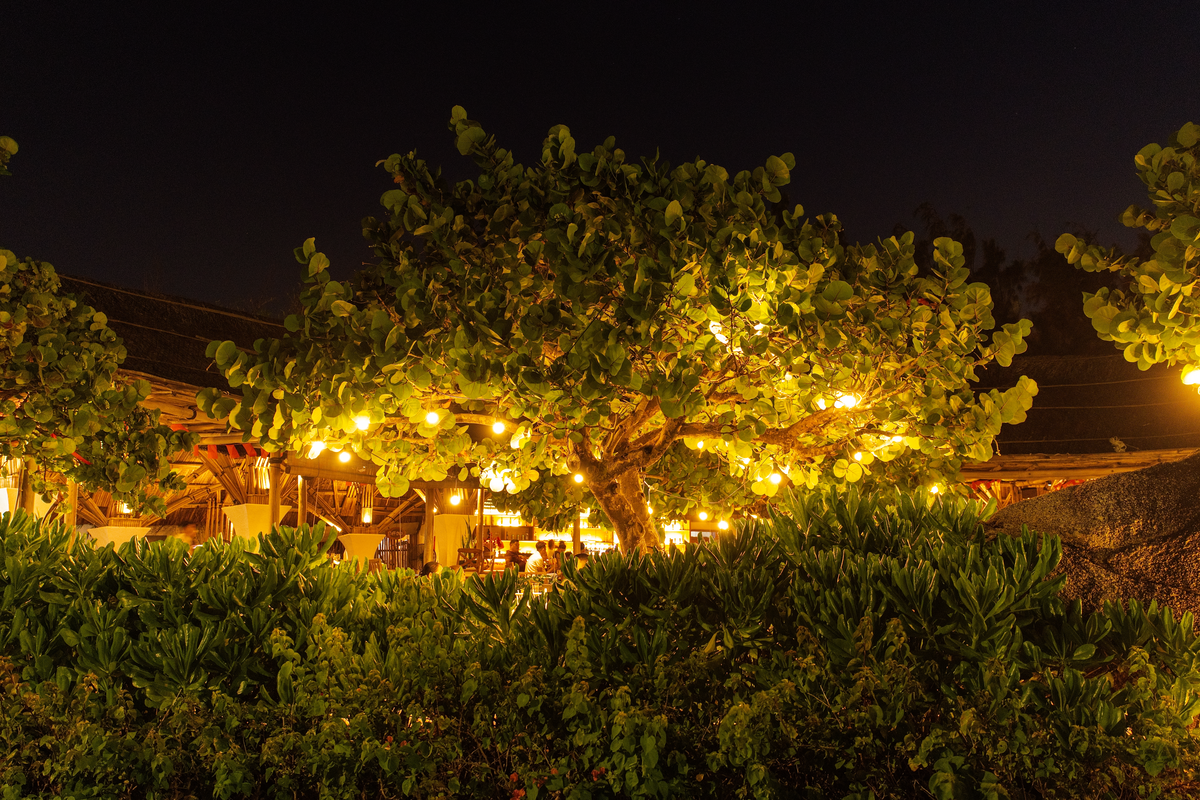
Photo by quang vinh on Pexels
To bridge the gap between decoration and function, one must treat these units as components of a broader lighting strategy rather than standalone solutions. Solar Frog Lights from specialized providers attempt to mitigate these issues by utilizing higher-quality resin and more efficient battery storage. Run the math: a typical $25 set of two solar frogs, as cited by Nature's Solar Lights, provides decorative accenting but lacks the wattage to serve as primary safety lighting. Instead, their value lies in psychological wayfinding. By placing frog lawn ornaments solar along a path, you create a visual sequence that guides the eye through a space without the harsh glare of high-output floodlights.
Integrating these units effectively requires an understanding of their specific light output. Most solar frogs utilize a warm white or soft green LED to maintain the character of the sculpture. While this is less effective for illuminating physical hazards, it is superior for preserving night vision and reducing light pollution. When selecting a unit, the focus should be on the weight of the base and the transparency of the illuminated sections. A hollow resin body with a thin wall allows for a diffused glow, effectively turning the entire sculpture into a light source, whereas solid bodies with inset LEDs function more like directional spotlights. For those considering a funny solar frog gift, the technical durability of the switch mechanism and the weatherproofing of the battery compartment are the true indicators of value, regardless of the humor intended by the design. The longevity of the internal Ni-MH or Li-ion battery determines whether the gift remains functional after the first season of exposure.
A Framework for Selecting Durable Garden Statuary
Selecting a solar frog light requires a skeptical eye toward manufacturing quality. The market is saturated with low-grade plastics that degrade under UV exposure within six months. To ensure a return on investment, consumers must evaluate the build quality based on specific physical markers. If a product does not specify its battery capacity in mAh or its LED color temperature, it should be treated as a temporary ornament rather than a permanent fixture.
- Panel Placement: Ensure the solar panel is integrated into a flat, upward-facing surface of the frog to maximize direct sun exposure.
- Material Density: Prioritize heavy-duty resin or stone-composite materials that can withstand wind without requiring additional anchoring.
- Battery Accessibility: Look for units with a replaceable battery compartment to extend the life of the ornament beyond the initial cell's cycle life.
- Illumination Type: Determine if the light is intended for ambient glow (diffused through the body) or task lighting (focused through the eyes or a lantern).
- Weather Sealing: Verify the presence of a rubber gasket around the power switch and battery door to prevent internal corrosion.
Sources
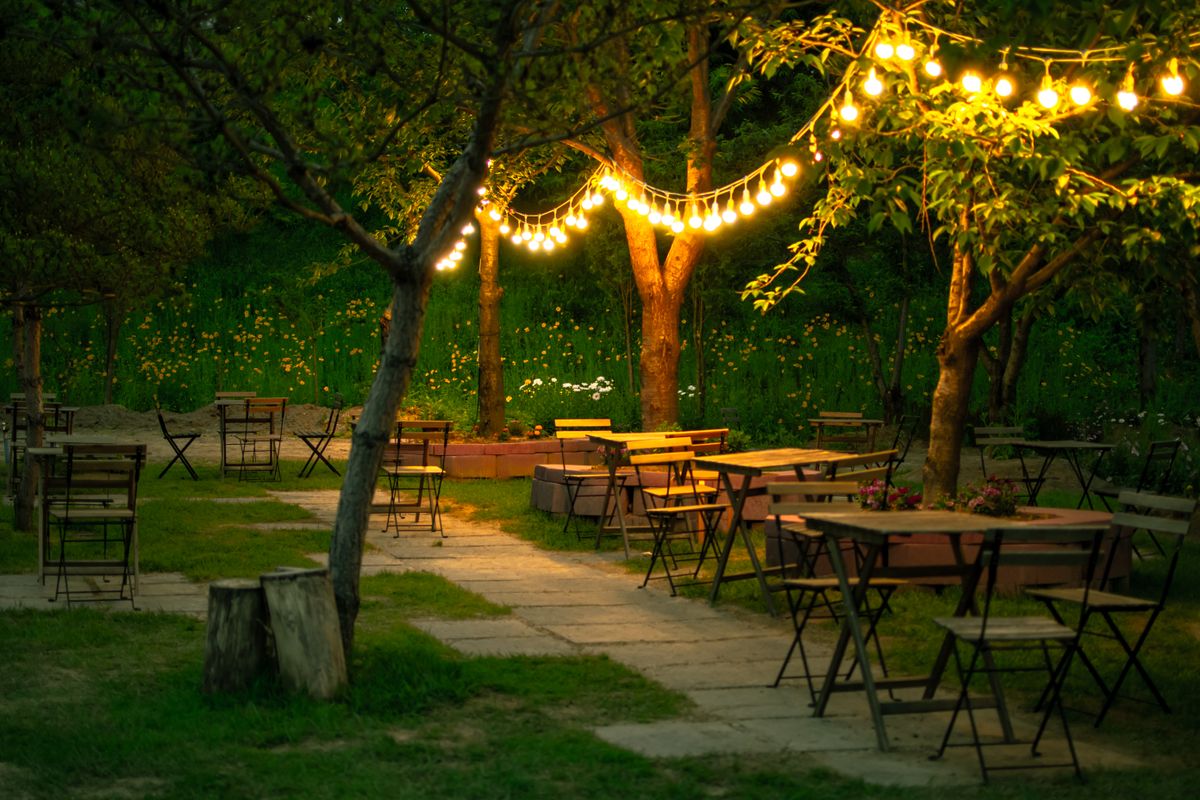
Photo by Constantine Kim on Pexels
- Solar Frogs & Turtles
- Green Frog Systems: Solar Street Lighting & Energy Storage
- Solar Light-Up Garden Frog Says Hi! (So Cute!) - YouTube