
How to Place Outdoor Frog Statues With Solar Lights
 Priya RamanSenior Analyst
September 13, 2026 — Effective placement of outdoor frog statues with solar lights requires a minimum of six hours of direct sunlight exposure to ensure the internal Ni-MH batteries reach full capacity for evening illumination.
Homeowners and landscape designers utilize these fixtures to blend whimsical aesthetics with functional path lighting. The challenge lies in balancing the aesthetic desire for shaded garden nooks with the technical requirement for photovoltaic energy conversion. Proper positioning ensures that Solar Frog Lights serve as both durable garden art and reliable safety markers.
Think of it as a matrix of light intensity and spatial utility. Two axes matter here: the solar trajectory relative to the statue's internal panel and the desired radius of the light throw. Once you see it this way, positioning becomes a technical exercise rather than a trial-and-error process.
Where should solar frog statues be placed for maximum charge?
Solar frog statues must be positioned in areas with unobstructed access to the sky, specifically avoiding the shadow cast by the house or dense canopy during the peak solar hours of 10:00 AM to 4:00 PM. The decision rule is to prioritize south-facing orientations in the Northern Hemisphere to capture the highest possible photon density. While many solar garden frogs are designed to withstand varying weather, the efficiency of the polycrystalline solar cells drops significantly if even a small portion of the panel is shaded by a leaf or garden ornament. Data from the National Renewable Energy Laboratory (NREL) indicates that even partial shading can reduce the output of a small solar panel by over 50%, which directly translates to shorter nighttime runtimes for the integrated LEDs.
How do you integrate frog statues into a lighting plan?
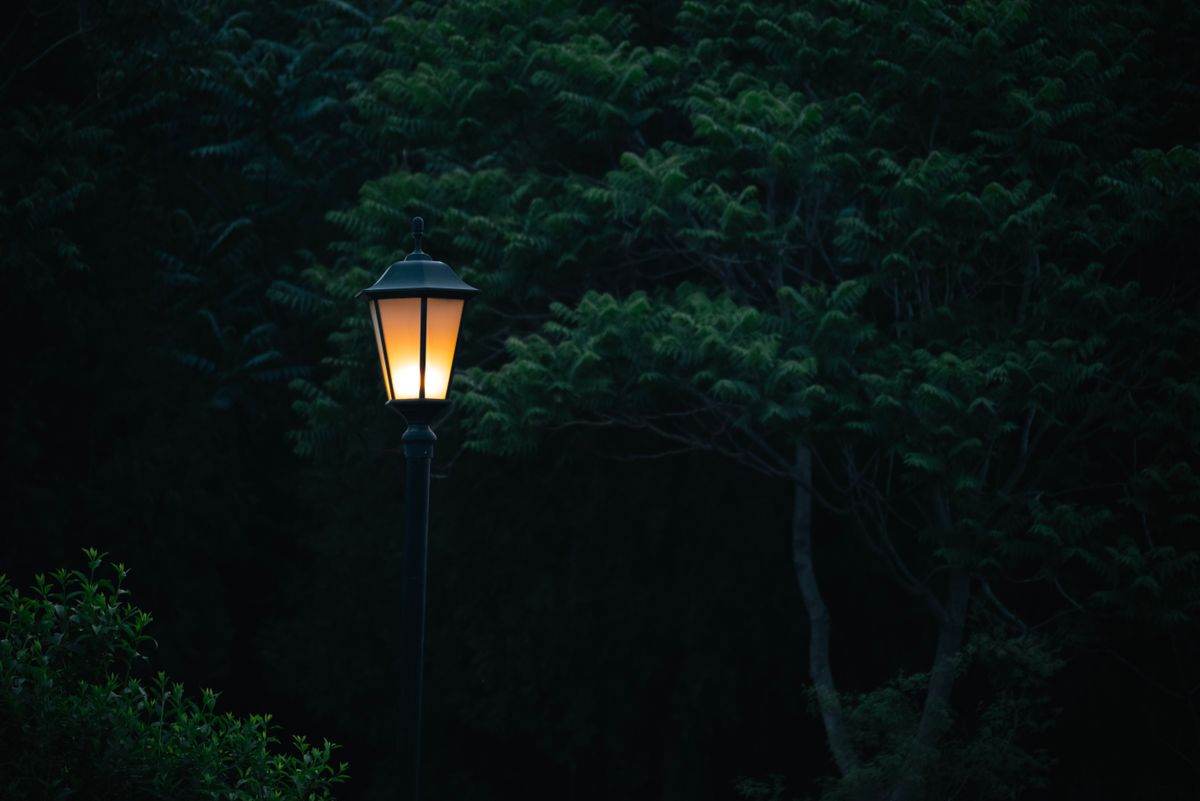
Photo by Star Zhang on Pexels
Integration into a broader landscape plan requires placing statues at transition points where the light throw can illuminate potential trip hazards or highlight specific textures in outdoor frog decor for patio settings. The decision rule for path integration is to space the statues approximately three to five feet apart, depending on the lumen output of the specific Solar Frog Lights model. This spacing creates a rhythmic visual flow without creating dark gaps that compromise safety. For those utilizing solar powered metal frog garden art, placing the statues near reflective surfaces like light-colored stone or water features can amplify the perceived brightness through secondary reflection, effectively doubling the visual impact of a single low-lumen LED source.
Quick answers
Photo by Mehmet Kaya on Pexels
Q: How long do solar frog lights typically stay illuminated? A: Most Solar Frog Lights stay illuminated for 8 to 10 hours if the battery has received a full charge during the day. This duration is contingent on the health of the 600mAh to 1200mAh rechargeable battery inside the unit.
Q: Can these statues be left outside during the winter months? A: While Solar Frog Lights are built with IP65 weather resistance, they should be brought indoors if temperatures drop below freezing for extended periods to protect the lithium-ion or Ni-MH battery from capacity loss. The outer resin or metal casing is generally frost-resistant, but the internal electronics are susceptible to thermal contraction.
Q: What is the best way to clean the solar panel on a frog statue? A: Use a damp, non-abrasive microfiber cloth to wipe the solar panel every 3 months to prevent dust buildup. Accumulated debris can block up to 30% of incoming sunlight, significantly reducing the charging efficiency of the statue.
Learn more about Solar Frog Lights at https://solyrafroglight.com.