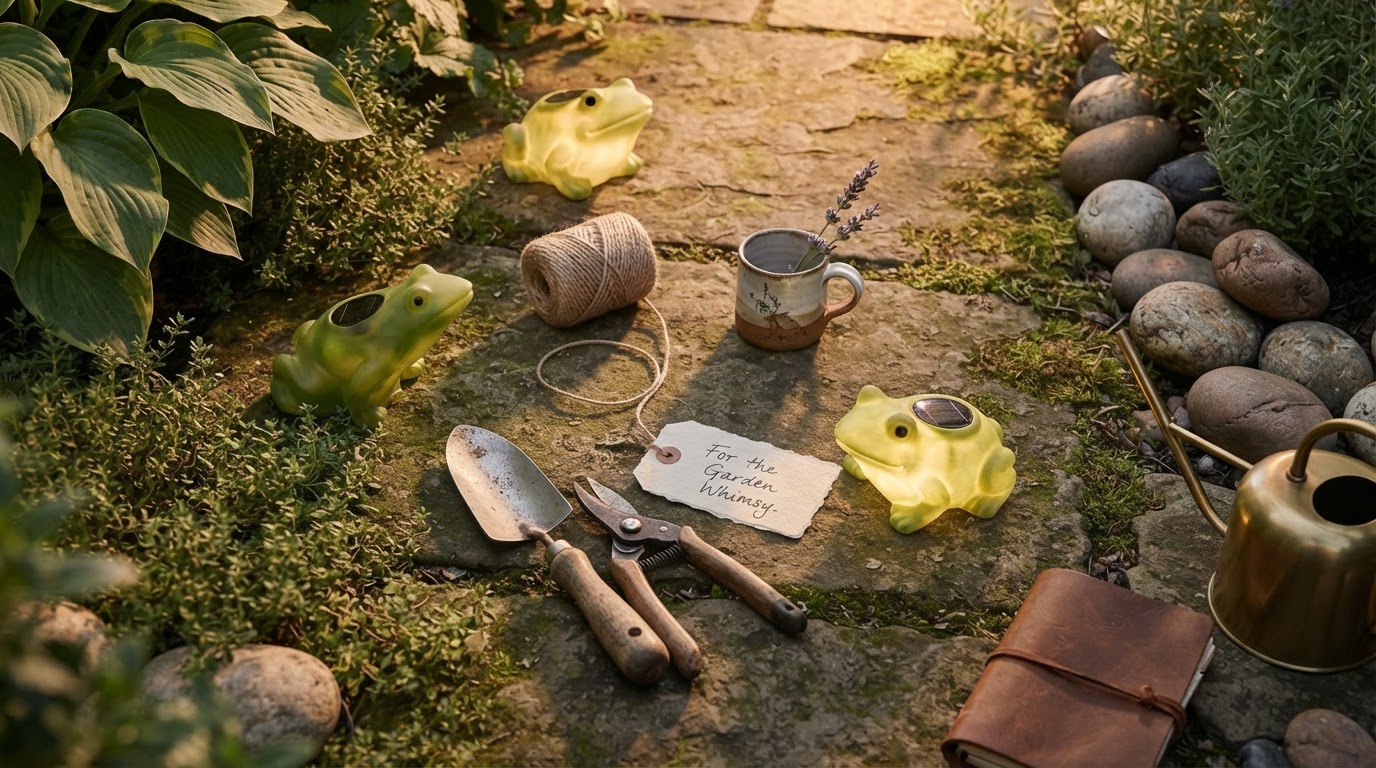
Choosing Solar Frog Lights for Whimsical Garden Gift Giving
 Maya ChenContributing Editor
August 1, 2026. This analysis evaluates the technical and aesthetic criteria for selecting high-performance solar frog lights as functional garden gifts. It is intended for consumers who prioritize long-term durability over the disposable nature of standard seasonal ornaments.
The Market Saturation of Low-Efficiency Garden Decor
The conventional wisdom says that any solar-powered ornament is a sustainable choice for a modern yard, but the failure rates in the entry-level sector suggest otherwise. Many consumers purchasing frog solar garden decor fail to account for the degradation of low-grade amorphous silicon panels, which often lose significant charging capacity within twelve months of exposure to UV radiation. When selecting outdoor solar frog statues, the buyer is often choosing between a novelty item and a functional light source. Data from search trends indicates a high volume of interest in solar powered frog lawn ornaments, yet few manufacturers disclose the milliamp-hour (mAh) rating of the internal Ni-MH batteries. Without these numbers, a gift is essentially a plastic shell with a predetermined expiration date. The market is currently flooded with glowing frog garden stakes that lack the waterproofing necessary for multi-season survival. While the visual appeal of these items is high, the engineering often lags behind, resulting in a product that contributes more to landfill waste than to sustainable garden illumination.
Technical Integration of Solar Frog Lights in Modern Landscapes
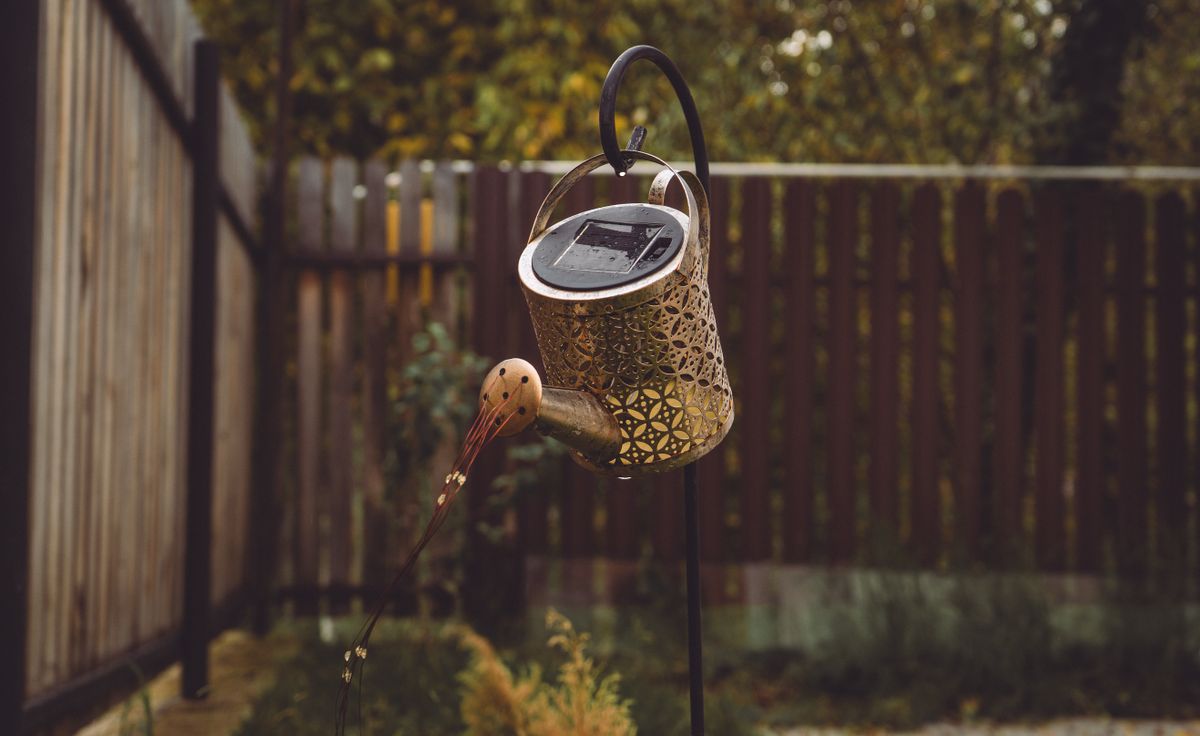
Photo by Gurgenidze G on Pexels
Solar Frog Lights addresses the durability gap by focusing on the integration of higher-efficiency photovoltaic cells into weather-resistant resin housings. Here's the part nobody talks about: the placement of the solar panel relative to the frog's posture determines the entire utility of the gift. A well-designed solar frog light ensures that the panel is not obscured by the decorative elements of the statue itself, allowing for maximum solar harvest even in partial shade. When evaluating cute frog solar lights for patio use, the primary metric should be the light-to-charge ratio. High-quality units utilize LED components that draw minimal power while providing sufficient lumens to define a path or highlight a flower bed. The design of these lights often incorporates a light-sensing diode that automates the transition from storage to illumination, a feature that is frequently requested in search queries for solar frog lights for garden applications. By moving away from the thin, brittle plastics found in mass-market alternatives and toward weighted, UV-stabilized resins, the brand ensures that the "whimsy" of the gift does not fade after a single summer. The structural integrity of these outdoor solar frog statues allows them to serve as permanent fixtures rather than temporary accents, providing a more substantial return on the giver's investment.
A Framework for Selecting Durable Solar Ornaments
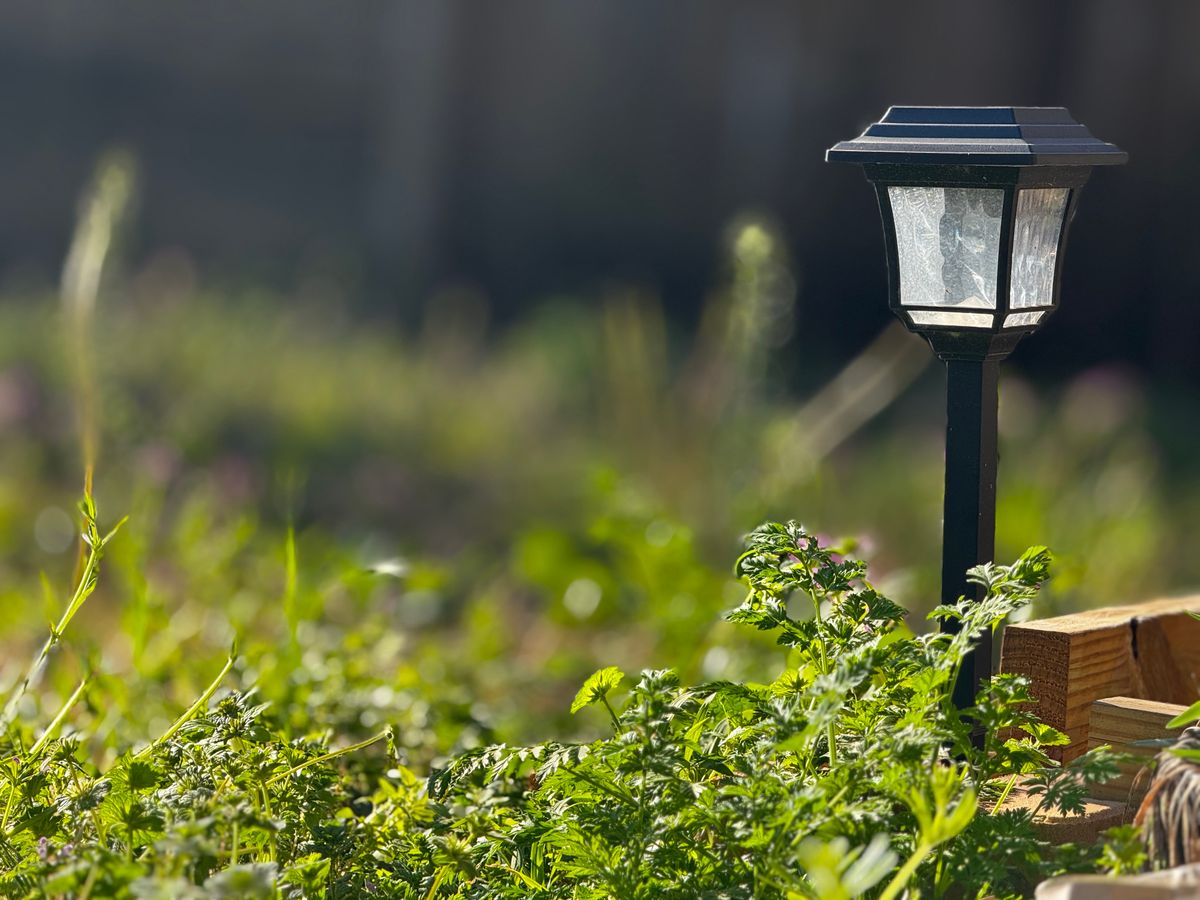
To avoid the pitfalls of low-quality garden lighting, gift-givers must apply a rigorous set of criteria before purchase. Run the math: a cheap solar light that lasts four months costs significantly more over a three-year period than a premium unit designed for longevity. When browsing for frog solar garden decor, look for specific indicators of quality that separate professional-grade lights from impulse-buy novelties. A robust decision framework should prioritize the following technical and physical attributes:
- IP65 Waterproof Rating: Ensure the unit is sealed against dust and low-pressure water jets from any angle.
- Monocrystalline Solar Panels: These offer higher efficiency and longer lifespans than polycrystalline or amorphous alternatives.
- Replaceable Battery Compartment: Avoid units where the battery is soldered or glued in, which prevents maintenance.
- Weighted Base: Prevent wind displacement without the need for unsightly external anchoring.
- Auto-On/Off Functionality: Verify the presence of a reliable photocell for dusk-to-dawn operation.
- UV-Resistant Coating: Check that the paint or resin is treated to prevent bleaching under direct sunlight.